
ILTPC Newsletter 03
11 June 2020
Download the Newsletter as a PDF file
Table of Contents
- Images
- General interest announcements
- Meetings and online seminars
- Community initiatives and special issues
- Research highlights and breakthroughs
- New resources
- Career opportunities
- Collaborative opportunities
Call for Contributions
Please submit content for the next issue of the Newsletter. Please send your contributions to iltpc-central@umich.edu by June 30, 2020.
In particular, please send Research Highlights and Breakthroughs using this template. The highlight consists of an image and up to 200 words of text. The topic can be anything you want - a recently published work, a new unpublished result, a proposed new area of research, company successes, anything LTP-related. Please see the Research highlights and breakthroughs for examples.
Images to Excite and Inspire!
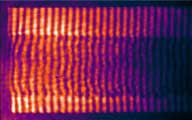
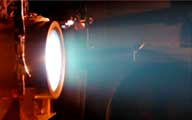
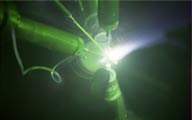
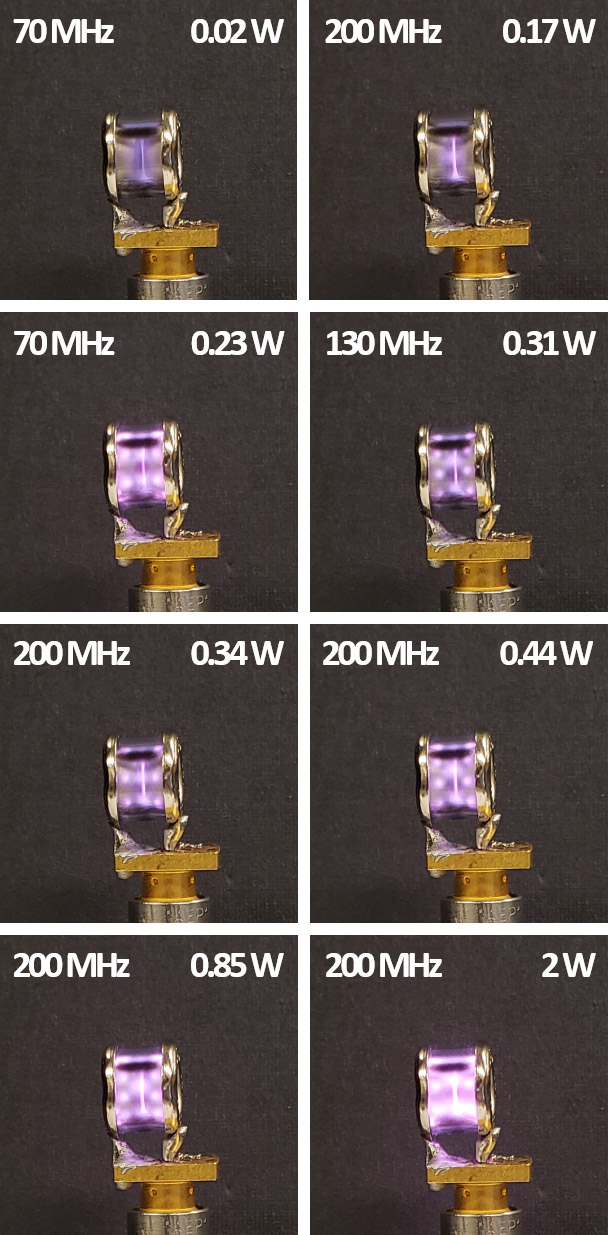
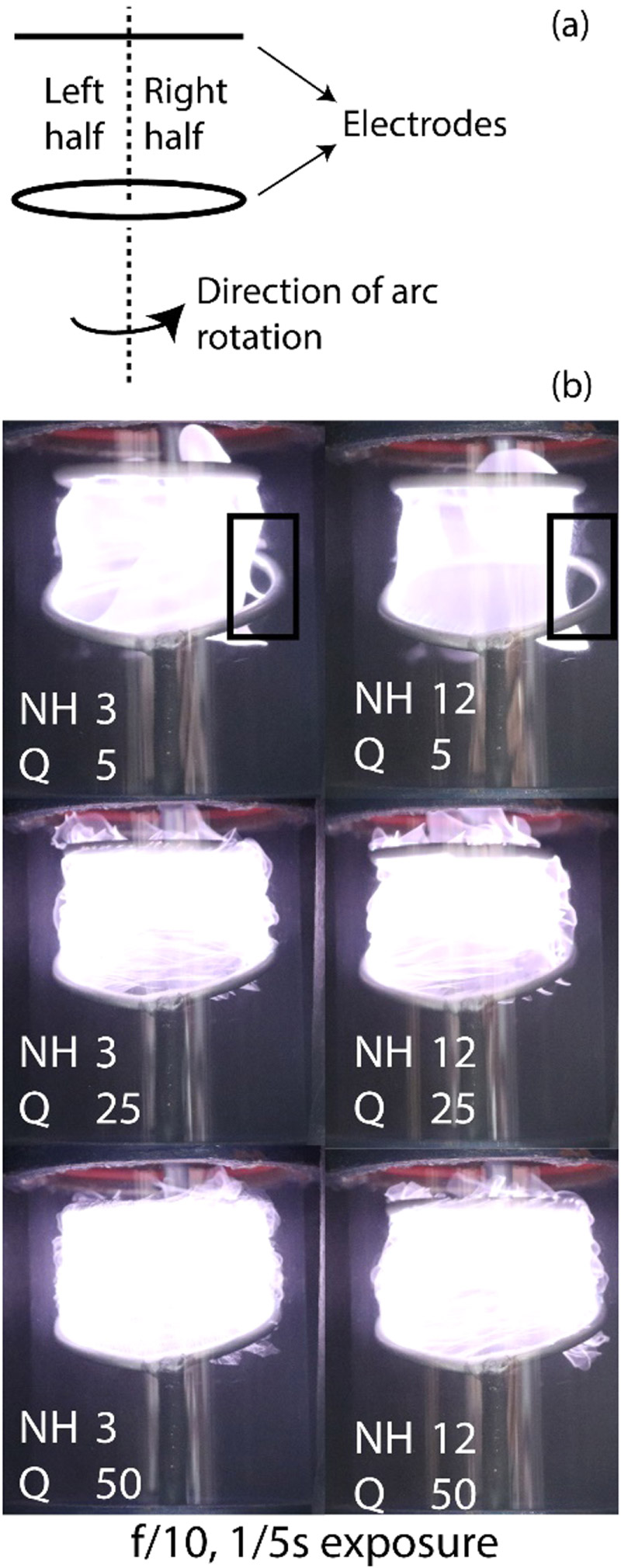
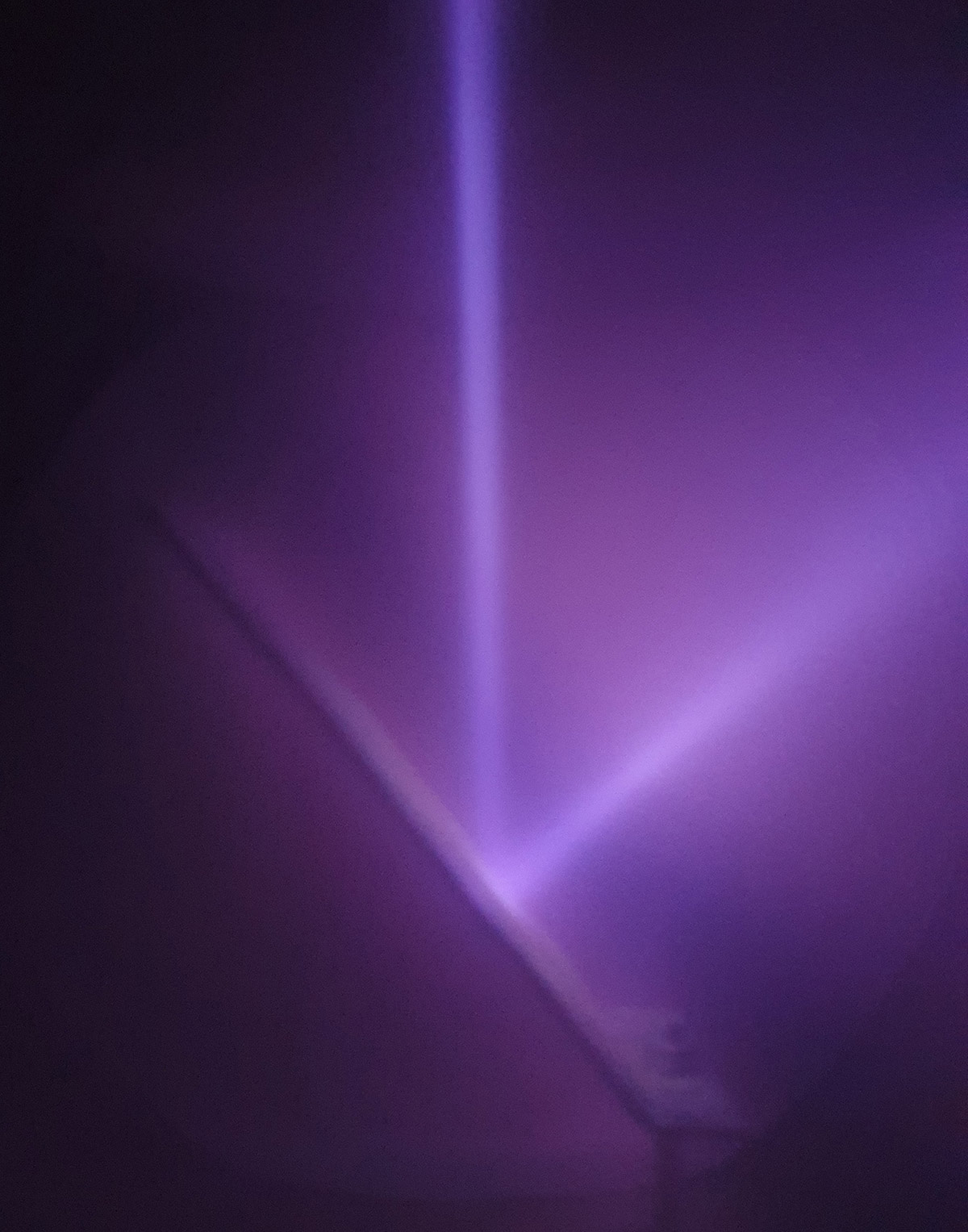
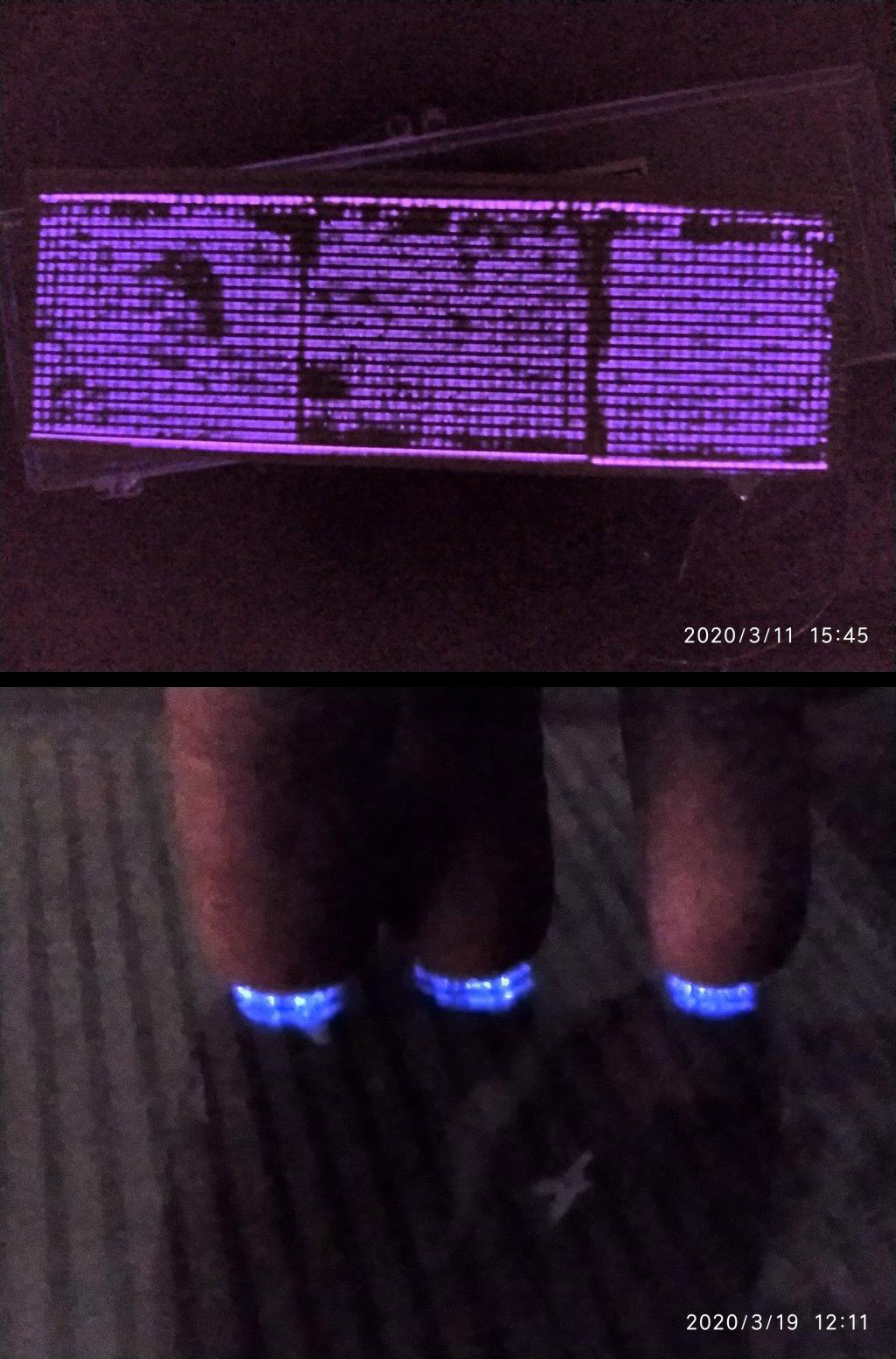
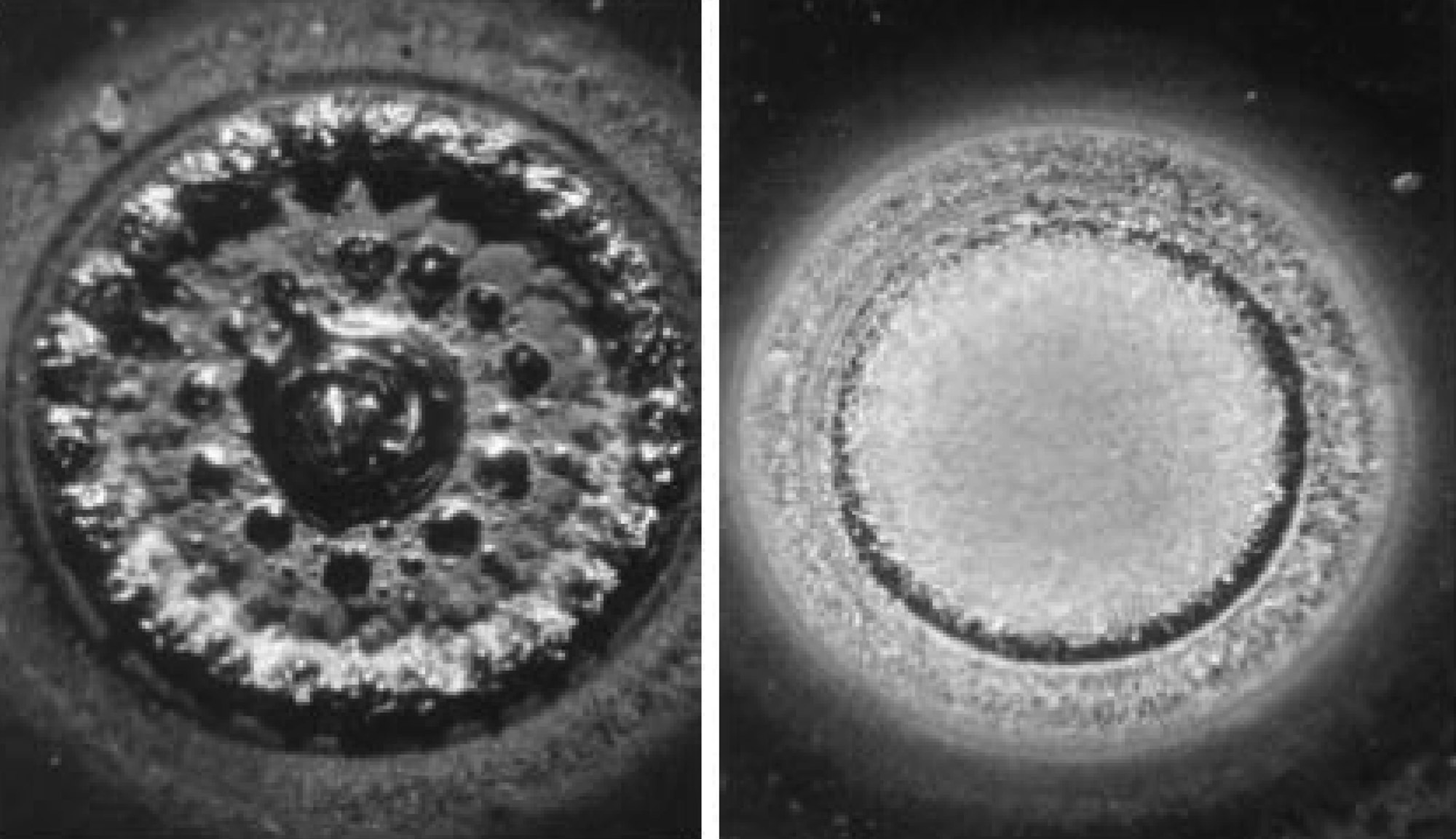
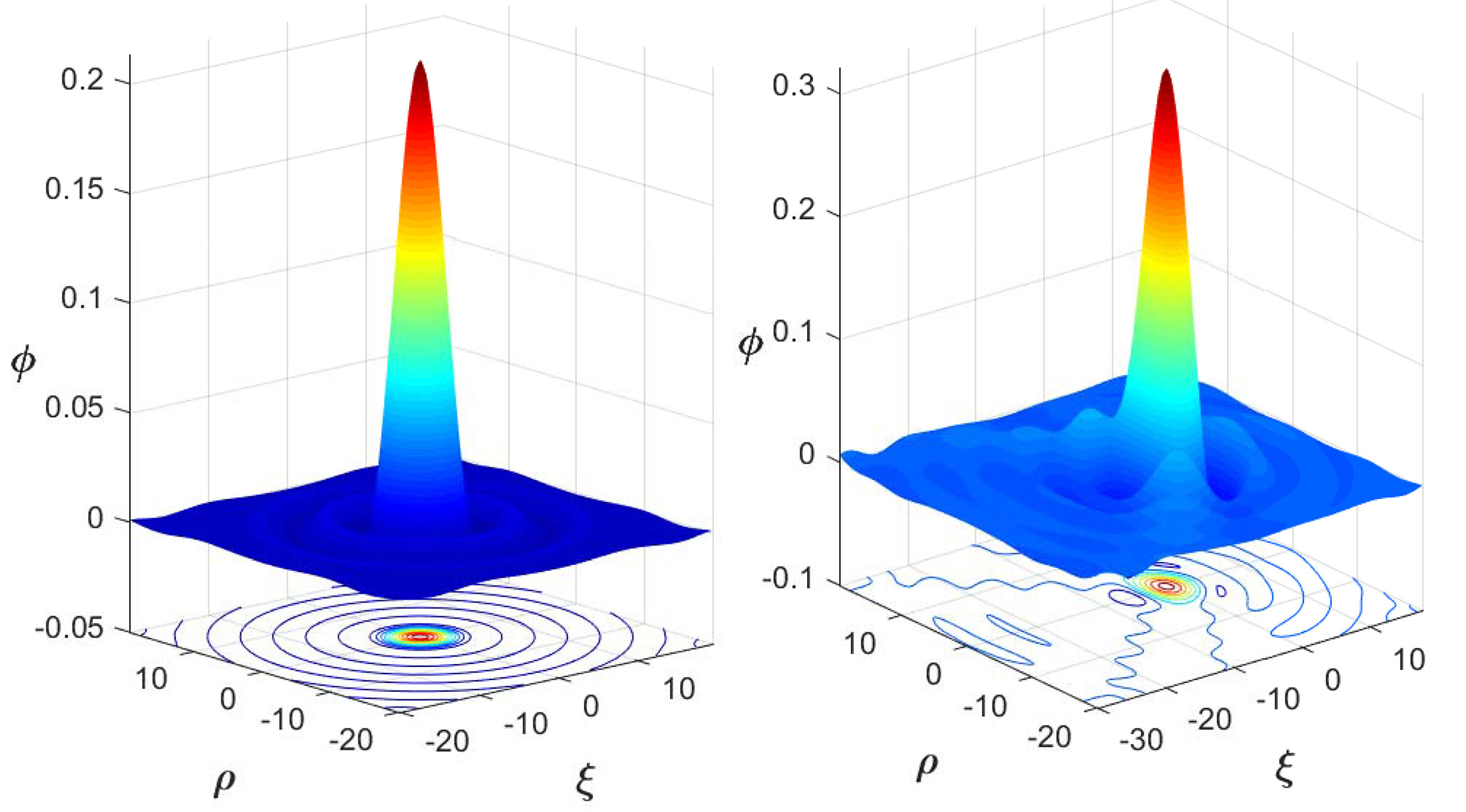
Thank you for submitting your images, some of which are shown here. Those images already submitted will appear in later Newsletters. Please do send your images (with a short description or source) to iltpc-central@umich.edu.
(Click the images to enlarge.)
General Interest Announcements
The ILTPC is maintaining a list of LTP conferences (view-only). With many meetings being canceled and rescheduled, we thought this would be useful for minimizing conflicts and planning future trips. The data may not be 100% accurate, so please let us know of changes in conference scheduling.
Contact: ILTPC iltpc-central@umich.edu
Survey on Research Data Management in Low Temperature Plasmas
A survey on research data management in low-temperature plasma physics is being conducted with the goal of developing a FAIR system for LTP data Findability, Accessibility, Interoperability and Re-usability. The survey is being conducted in the framework of the joint project Quality Assurance and Linking of Research Data in Plasma Technology (QPTD) at the Leibniz Institute for Plasma Science and Technology (INP) together with FIZ Karlsruhe -Leibniz-Institut für Informationsinfrastruktur GmbH, and Hamburg University of Applied Sciences. The survey aims to evaluate the status quo regarding research data management in the field of low-temperature plasma science. The survey also will identify the relevant experimental and computational methods that will be used as a first reference for the design and testing of quality criteria and (meta)data models for research data management.
Contact: Dr. Markus Becker Leibniz Institute for Plasma Science and Technology (INP) markus.becker@inp-greifswald.de
Joint US National Science Foundation (NSF) and German Deutsche Forschungsgemeinschaft (German Research Foundation, DFG) Program in Electrosynthesis and Electrocatalysis
A joint research opportunity involving the NSF and DFG is available for research in electrosynthesis and electrocatalysis, including plasma processes. From the announcement:
“We are particularly interested in novel and fundamental electrochemical reactions and studies addressing transformations in organic and polymer synthesis, water splitting (hydrogen/oxygen evolution), and nitrogen reduction (ammonia production). Relevant activities include, but are not limited to, mechanistic studies; catalyst design, synthesis, and characterization; computational modeling, theory, and simulation; and experimental tool development. For fundamental engineering science projects, we are interested in studies involving reaction engineering, reactor system design, and component or device scale studies as examples that provide fundamental knowledge supporting scale-up of systems. In addition, fundamental engineering science projects involving alternative (to thermal) activation mechanisms such as microwaves (e.g. microwave assisted catalysis) and low temperature plasmas (e.g. plasma-assisted catalysis) are welcomed.”
At-Home STEM Projects for Children
The NSF Center Connecting the Plasma Universe to Plasma Technology in Alabama (CPU2AL) is presenting a new STEM outreach opportunity, specifically targeted at school-aged children.
CPU2AL seeks to understand, predict, and control plasma processes and interactions in low-temperature plasma (LTP) environments. This knowledge can be used to develop new technologies for aerospace, manufacturing, medicine, agriculture, and food safety.
As a part of its Workforce Development program, CPU2AL seeks to inspire K-12 students through hands-on learning opportunities. Due to the current health risk, we have opted not to host our annual in-person Science and Technology Open House. Instead, starting Monday, June 22, our team will send weekly STEM projects that have been reviewed by CPU2AL researchers for school level appropriateness. We normally focus our Workforce Development efforts on Alabama. However, this email list is open to anyone who is interested. Feel free to share this information with your colleagues, family, and friends!
Contact: Ms. Dana Waller University of Alabama dsw0012@uah.edu
Meetings and Online Seminars
International Online Plasma Seminar (IOPS)
Reminder! Upcoming seminars: June 18, July 2 (see the current program of IOPS).
Online LTP Seminar
Reminder! Upcoming seminars: June 23, July 7 (see the current program of the Online LTP Seminar).
For more information, and to request the Zoom link and password, please contact: Prof. Mounir Laroussi Old Dominion University mlarouss@odu.edu
Community Initiatives and Special Issues
Please submit your Community Initiatives and Special Issues to iltpc-central@umich.edu.
Research Highlights and Breakthroughs
Speeding the Solution of Complex Systems of Equations for Plasma Transport
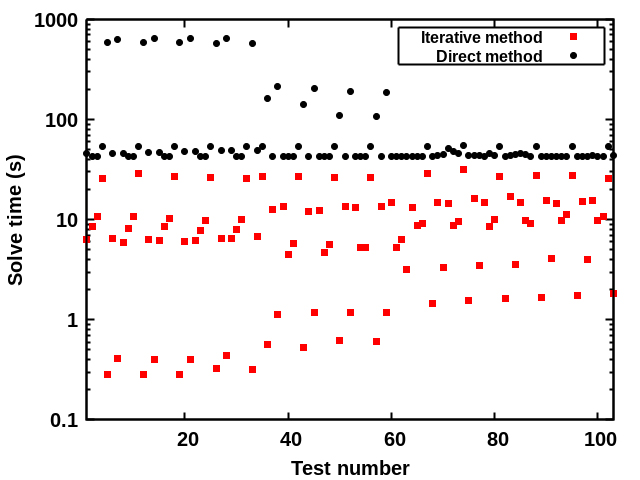
The implicit discretization of plasma transport equations results in coupled linear(ized) equations for the unknowns (particle densities, energy densities, …). Such equations can be written in the form Ax=b, where the “solution vector” x represents the unknowns and b the source terms. The “system matrix” A depends on grid properties, the transport coefficients and the flow field. For a three-dimensional simulation with 100 grid points in each directions, the matrix has a million rows and columns, but of its 1012 elements, only a small fraction is non-zero (for example, 7 million).
Efficient methods for solving for the unknowns x use this sparsity of the system matrix and are iterative in nature, such that the present field values can be used as an initial guess when a time step is effectuated. This yields a 2-1600x speedup in the solve step of a recent simulation.
Chris Schoutrop of the PLASIMO team at TU/e, in collaboration with the eScience Center Amsterdam and Plasma Matters B.V. have recently implemented the iterative solvers BiCGStab(L) and IDRStab for the C++ matrix-vector library Eigen. Our tests demonstrate that in particular IDRStab shows improvements in robustness compared to BiCGStab for problems that are representative for plasma simulation. The code has been made available under an open source license.
Contact: Prof. Jan van Dijk j.v.dijk@tue.nl Code More information
The Plasma Physics of Entering Planetary Atmospheres
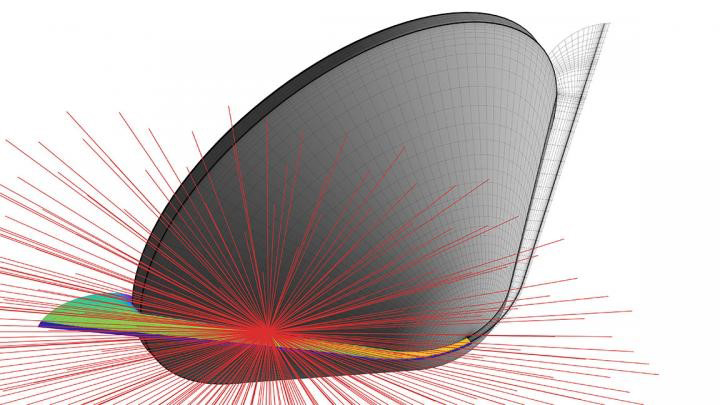
In 1995, the Galileo mission to Jupiter launched a probe that descended from Mach 50 to Mach 1 during its entry, generating enough heat to cause plasma reactions on the surface. The data on the probe’s heatshield burning differed from the effects predicted in fluid dynamics models.
Researchers of the group N-PRiME (N-Plasmas Reactive: Modelling and Simulation), with Instituto de Plasmas e Fusão Nuclar (IPFN) of Instituto Superior Técnico (IST), Lisbon, Portugal, in collaboration the University of Illinois at Urbana-Champaign, IL, USA, examined what might have caused such a discrepancy, applying new computational techniques to fluid radiative dynamic models and using data transmitted from Galileo's 30-second entry. We recalculated features of the hydrogen-helium mixture the probe passed through, such as viscosity, thermal conductivity and mass diffusion, and found that the Wilke/Blottner/Eucken transport model fails to accurately predict the interactions between hydrogen and helium molecules. The work helps improve future spacecraft design, including upcoming projects to explore Neptune.
Contact: Prof. Mário Lino da Silva mlinodasil-va@tecnico.ulisboa.pt Source
Treating Bone Cancer with Plasmas
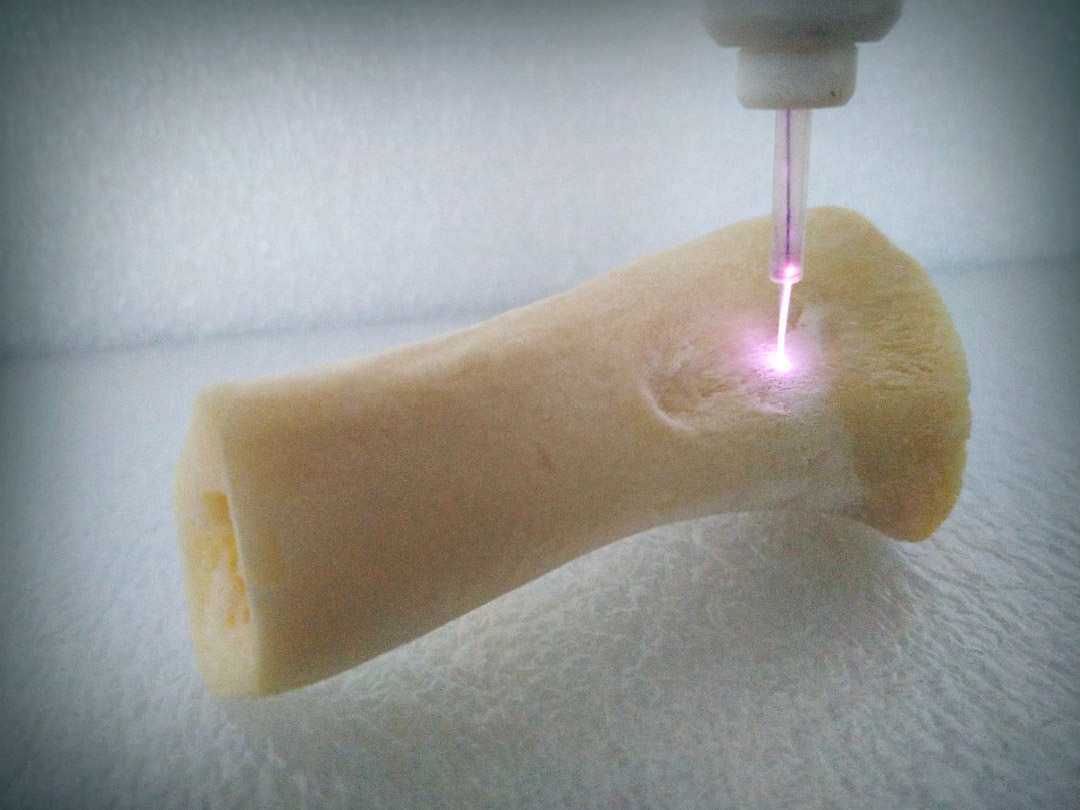
The recent paper of M. Mateu-Sanz et al. Cold Plasma-Treated Ringer's Saline: A Weapon to Target Osteosarcoma, Cancers 12, p. 227 (2020), focuses in obtaining mechanistic insights on the action of plasma-activated Ringer’s saline for bone cancer therapy in 2D cultures and also in tumor organotypic cultures.
The paper is included in the research of the ERC pro-ject APACHE “Atmospheric Pressure Plasma Meets Biomaterials for Bone Cancer Healing”. To date, seven papers have been published in Q1 peer-reviewed journals that can be retrieved at the project website.
Contact: Prof. Cristina Canal cristina.canal@upc.edu
Killing Virus in Aerosols Using Plasmas
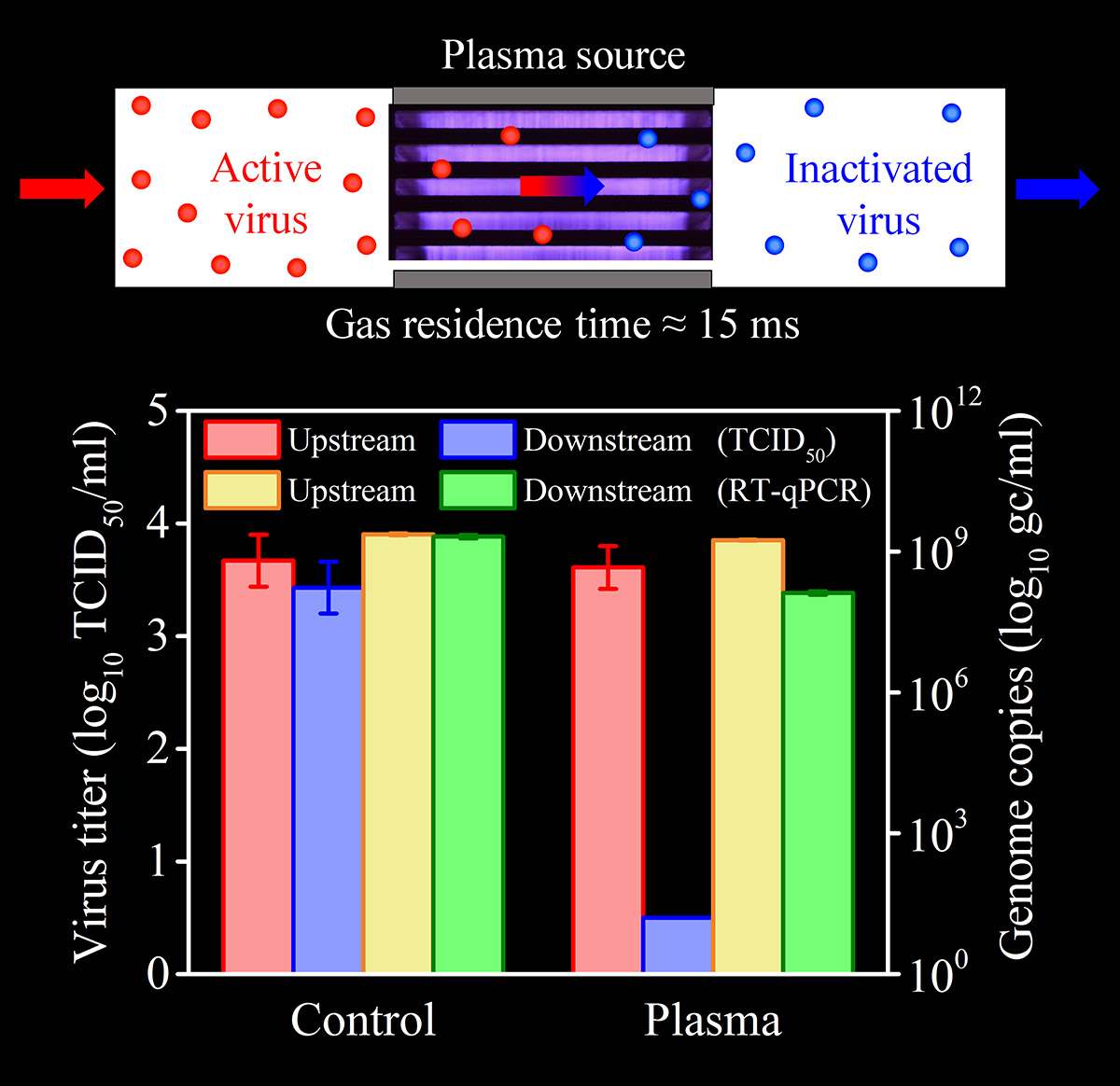
Airborne infections are growing global concern causing severe economic and sociopolitical disruption, which has been recently illustrated by the dramatic spread of COVID-19. Low tempera-ture plasma can be a novel and highly effective decontamina-tion technology. Recently, our team reported on the successful inactivation of aerosolized porcine reproductive and respiratory syndrome (PRRS) virus using a volume DBD reactor embedded in a small-scale single pass wind tunnel. The aerosolized virus particles were sampled both upstream and downstream of the plasma reactor, where the virus came in direct contact with the highly reactive short-lived species, such as OH and single oxy-gen, for a short particle residence time of 15 milliseconds. The infectivity test showed the plasma induced a reduction of 3.5-log in the viable virus titer. Independent testing of the genome concentration confirmed the PRRS virus inactivation by the plasma, with very small amount of virus lost in the reactor. The results of this study show the potential of plasma technology to highly reduce the transmission of airborne infections when im-plemented in indoor environments and particularly confined spaces like aircraft.
Contact: Mr. Gaurav Nayak nayak025@umn.edu Prof. Peter Bruggeman pbruggem@umn.edu Source
US National Academies Plasma 2020 Decadal Assessment Released
The US National Academies of Science, Engineering and Medicine (NASEM) have just release the (prepublication) version of the Decadal Assessment of Plasma Science – Plasma 2020. The Decadal Assessment, titled Plasma Science: Enabling Technology, Sustainability, Security and Exploration, broadly addresses all fields of plasma science. Accomplishments of the past decade are reviewed and research opportunities for the coming decade are discussed. The Finding and Recommendations are intended to inform US policy makers, however the technical findings and science challenges should be informative for the entire international community.
A free PDF of the prepublication version of the report is now available.
Career Opportunities
Postdoctoral Position in Plasma Physics and Electric Discharges, State University of São Paulo – UNESP, Brazil
The Research Foundation of São Paulo state (FAPESP), Brazil announces a postdoctoral fellowship associated to a research project entitled Applications of non-thermal atmospheric plasmas in Dentistry: from the bench to the clinic. This project seeks to consolidate a collaboration network of research centers aimed to clarify relevant aspects of the application of cold atmospheric pressure plasma in biology, medicine and dentistry. The postdoctoral position entails development and characterization of cold atmospheric pressure plasma sources for biomedical applications. The research linked to the project will be developed at the Plasma and Applications Laboratory, Department of Physics (DFI), Faculty of Engineering in Guaratinguetá (FEG), State University of São Paulo (UNESP). We are looking for candidates with a recent Ph.D. degree in plasma science, engineering, or closely related field with experience in atmospheric plasmas, plasma diagnostics and plasma source design. The postdoctoral researcher should have excellent oral and written communication skills and the ability to supervise graduate students and collaborate with a team of multidisciplinary researchers. The appointment period for FAPESP postdocs scholarship is usually 2 years, although an extension can be discussed. If the postdoctoral fellow lives outside the city where the research institution is located and needs to move, he/she may be entitled to an installation allowance.
Position candidates should provide a letter of interest describing in details their previous work experience, an updated CV, and two recommendation letters (in PDF format). All documents should be sent to Prof. Konstantin G. Kostov (konstantin.kostov@unesp.br) until June 30, 2020.
Postdoctoral Position in Plasma Physics and Electric Discharges, Technological Institute of Aeronautics – ITA, Brazil
The São Paulo Research Foundation (FAPESP), Brazil, announces a postdoctoral fellowship associated with a research project entitled Applications of non-thermal atmospheric plasmas in Dentistry: from the bench to the clinic. This project seeks to consolidate a collaborative network of research centers, in order to clarify relevant aspects of the application of atmospheric pressure plasma in biology, medicine and dentistry. The postdoctoral position will explore the generation of Plasma Activated Liquid (PAL) for applications related to biomedical engineering, especially for dentistry. The research linked to the project will be developed at the Plasma and Process Laboratory (LPP) of ITA, located at the São José dos Campos, SP, Brazil. We are looking for candidates with Ph.D. in plasma science, engineering or related field and experience in plasmas and their diagnostic techniques. The postdoctoral researcher must have excellent oral and written communication skills and the ability to supervise graduate students and collaborate with a team of multidisciplinary researchers. The nomination period for FAPESP's postdoctoral fellowship is generally 2 years, although an extension can be discussed. If the postdoctoral fellow lives outside the city where the research institution is located and needs to move, he/she may be entitled to an installation allowance.
Candidates for the position must provide a letter of interest describing in detail their previous work experience, an updated CV and two letters of recommendation (in PDF format). All documents must be sent to Prof. Rodrigo S. Pessoa (spessoa@ita.br) until July 30, 2020.
Research Scientist/Developer in Etch Modeling, TSMC, San Jose, CA
TSMC seeks full-time etch modeling research scientist/developer with experience in plasma and feature profile theory and simulation. If hired, he/she will gain exciting real-world etching experience at the largest foundry company. We frequently work with engineering and process teams in Taiwan to solve real-world problems of high value, explore new ideas, and learn from one another. The ideal candidate should be a die-hard optimist with a can-do spirit and hands-on attitude.
Responsibilities:
- Understand and run existing code to compare with real data
- Calibrate the model with big data
- Accelerate the existing model with GPU
- Develop physics-machine learning hybrid model to meet industrial standards
- Investigate the etching process using physics model
Requirements:
- PhD or Master degree in Electrical Engineering, Physics, Applied Mathematics, Computer Science or other technical fields from a creditable university
- Excellent analytical and mathematics skills
- Excellent programming skills in Fortran, C/C++, Python. Experience with GPU a plus
- Ability to work independently and in teams
Benefits:
- Practical experience in developing industrial-level simulation tools
- Collaborating with world best skilled process teams
- Opportunity to participate in networking events and company meetings
- Excellent compensation and medical cover
Contact: Dr. Wei Tian Technical Manager, Optimal Pattern Correction Group 2851 Junction Ave, San Jose, CA 95134 wtian@tsmc.com (669)265-6637
About TSMC: TSMC pioneered the pure-play foundry business model when it was founded in 1987, and has been the world’s largest dedicated semiconductor foundry ever since. The company supports a thriving ecosystem of global customers and partners with the industry’s leading process technology and portfolio of design enablement solutions to unleash innovation for the global semiconductor industry.
TSMC serves its customers with global capacity of about 13 million 12-inch equivalent wafers per year in 2020, and provides the broadest range of technologies from 2 micron all the way to foundry’s most advanced processes, which is 7-nanometer today. TSMC is the first foundry to provide 7-nanometer production capabilities and the first to commercialize Extreme Ultraviolet (EUV) lithography technology in delivering customer products to market in high volume. TSMC is headquartered in Hsinchu, Taiwan.
Collaborative Opportunities
Please submit your Collaborative Opportunities to iltpc-central@umich.edu.
Disclaimer
The content of this Newsletter comes from the contributions of members of the ILTPC. The Newsletter editors are attempting to provide as inclusive a communication as possible. However, inclusion of items in the Newsletter should not be interpreted as an endorsement by the editors nor as advertisement for commercial purposes. The content of this newsletter should also not be interpreted as an endorsement by our sponsors – the US National Science Foundation, the US Department of Energy, or the University of Michigan. The Newsletter editors may do some light editing of the original submissions, to maintain a consistent tone and style.