
Seminars 2025-2026
MIPSE seminars are conducted in person and simulcast via Zoom. The seminars are free and open to the public. The MIPSE Code of Conduct applies to all participants in the MIPSE seminar series.
Join the mailing list:
Please send your request to mipse-central@umich.edu.
Subscribe to MIPSE Google calendar:
- Open your existing Google calendar.
- On the sidebar, go to "Other calendars" and click the "+" sign.
- Choose "Subscribe to calendar".
- In the "Add calendar" field, start typing "mipse-central@umich.edu", and the calendar will be added.
Winter 2026
| Date, Time, Location | Speaker (Affiliation) | Title, Abstract, Presentation |
|---|---|---|
| Wednesday 21 January 2026 3:10 - 4:10 pm Room 1003 EECS | Prof. Lorin Swint Matthews Baylor University | Breaking Newton’s Law: Using Dusty Plasma to Investigate Anisotropic Forces Flyer (PDF) Video with slides Zoom recording Transcript |
Abstract and biography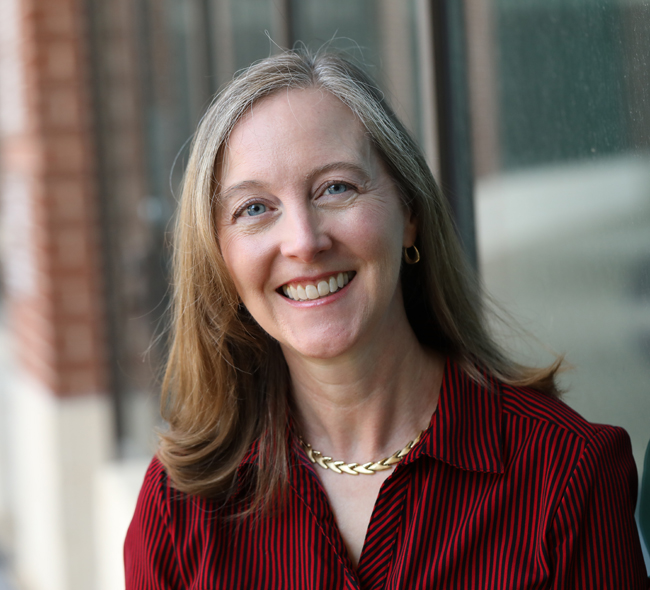
Abstract: The stability of structures and transport of energy are affected by the forces acting between elements in the system. We are used to thinking of forces in terms of Newton’s third law: for every action there is an equal and opposite reaction. However, there are some systems where the forces appear to be non-reciprocal; the objects exert different forces on each other. Such an interaction is possible when the interaction is anisotropic. In this case, the force between two particles depends on their relative orientation. Anisotropic interactions are known to arise in some of the most interesting complex systems, including proteins, electrorheological (ER) fluids, and liquid crystals. Here, we study anisotropic interactions in a complex, or dusty, plasma. We use numerical models of the interactions between ions and dust to learn the form of the anisotropic interaction potential. We can then use this potential to model the dynamics of interacting dust particles without modeling the ions. We compare the results of our models to experimental data collected in laboratory experiments conducted here on earth and on the International Space Station. About the Speaker: Lorin Swint Matthews is a Professor and Chair of the Department of Physics and Astronomy at Baylor University and Associate Director of the Center for Astrophysics, Space Physics, and Engineering Research. She received her Ph.D. in Physics from Baylor University in 1998. She worked for Raytheon Aircraft Integration Systems from 1998-2000 as a multi-disciplined engineer in the Flight Sciences Department, where she worked on NASA’s SOFIA (Stratospheric Observatory for Infrared Astronomy) aircraft. In 2000, she joined the faculty at Baylor University. Her areas of research include numerical modeling and experimental investigations of the charging and dynamics of dust in astrophysical and laboratory plasma environments, for which she received a National Science Foundation CAREER Award in 2009. She is a Fellow of the American Physical Society. |
||
| Wednesday 4 February 2026 3:10 - 4:10 pm Room 1003 EECS | Prof. Matthew Edwards Stanford University | Plasma and Gas Optics for Ultra-Intense Lasers MIPSE Early Career Award 2025-2026 Flyer (PDF) Video with slides Zoom recording Transcript |
Abstract and biography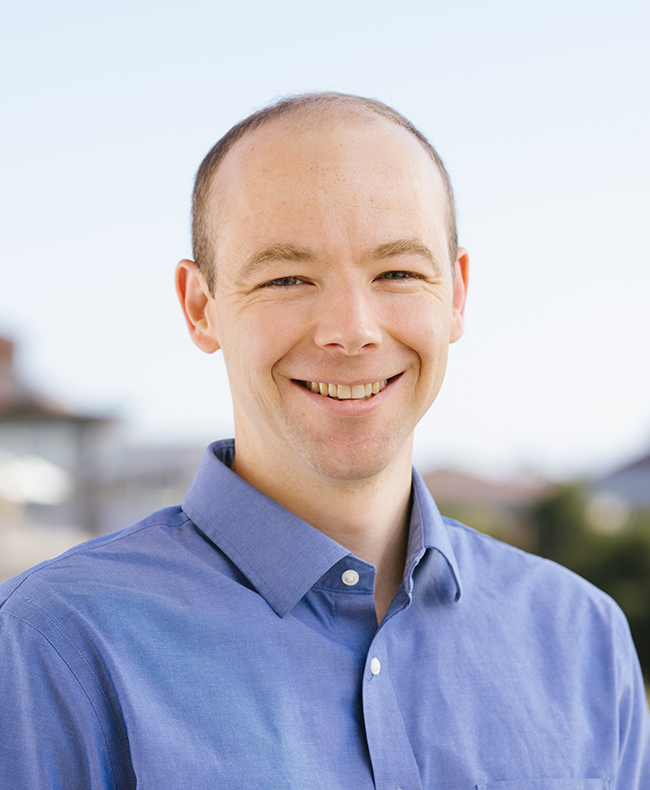
Abstract: Our ability to build lasers of higher peak power into higher-intensity regimes of laser science is fundamentally limited by the optical damage thresholds of the dielectric coatings, glass, and metal that make up modern optics. Although we would like to have lasers capable of probing Schwinger-limit fields or accelerating large plasma volumes to relativistic speeds, current laser technology cannot be scaled much beyond the ten-petawatt level without prohibitive cost. Plasma physics offers a solution: plasma can tolerate light intensities far beyond the damage thresholds of solid-state optics. In principle, the use of plasmas as optics allows the construction of compact ultra-high-power lasers, but a range of plasma physics and engineering problems must first be solved. We will discuss how gases and plasmas can be shaped into precision optics suitable for our most powerful and energetic lasers, providing ultra-high damage thresholds and resistance to the neutron and debris fluxes that would be present in an inertial fusion plant. We will show experimental, computational, and analytic results on the performance of gas and plasma diffraction gratings and lenses, including demonstrations of efficiency and stability comparable to standard solid-state optics. We will then discuss designs for plasma-based laser systems and how plasma optics could enable compact lasers with multi-petawatt to exawatt peak powers. About the Speaker: Matthew Edwards is an Assistant Professor of Mechanical Engineering at Stanford University. He received BSE, MA, and PhD degrees from Princeton University in Mechanical and Aerospace Engineering. From 2019 to 2022 he was a Lawrence Fellow in the National Ignition Facility and Photon Science Directorate at Lawrence Livermore National Laboratory. His research applies high-power lasers to the development of optical diagnostics for fluids and plasmas, the study of intense light-matter interactions, and the construction of compact light and particle sources, combining adaptive high-repetition-rate experiments and large-scale simulations to explore new regimes in fluid mechanics, thermodynamics, materials science, and plasma physics. |
||
| Tuesday 10 February 2026 3:00 - 4:00 pm Room 3213 LEC (Johnson Rooms) | Dr. Brian Haines Los Alamos National Laboratory | Joint MICDE-NERS-MIPSE seminar Radiation-hydrodynamics Modeling & Application to Prediction of Inertial Confinement Fusion Experiments Flyer (PDF) Zoom link |
Abstract and biography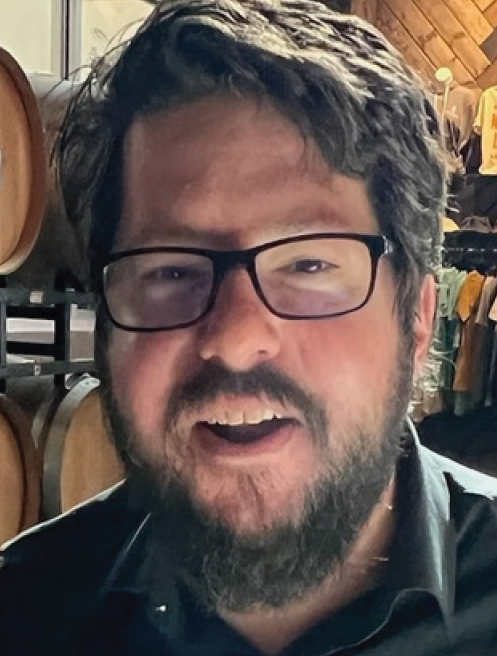
Abstract: The xRAGE radiation-hydrodynamics code is a state-of-the art simulation tool for modeling inertial confinement fusion experiments. xRAGE is one of only three radiation-hydrodynamics codes developed in the U.S. with sufficient physics to credibly model both capsule implosions as well as the high-Z cylindrical hohlraums used to convert laser energy into an Xray drive for the capsule. xRAGE solves the equations for hydrodynamics and other physics in an Eulerian reference frame and features adaptive mesh refinement, which makes it uniquely well-suited to accurately modeling capsule defects and engineering features that are important factors limiting capsule performance. In the first half of this talk, we will discuss the physics modeling capabilities and algorithms available in xRAGE with an emphasis on those relevant to high-energydensity physics and inertial confinement fusion. In the second half of the talk, we will discuss the successful application of xRAGE to provide pre-shot predictions for seventeen high-yield capsule implosions on the National Ignition Facility. This will include the modeling methodology, how we establish prediction uncertainties, and how we have learned from prediction failures to improve the methodology. Our predictions have exhibited a 67% success rate thus far, which is much higher than other pre-shot predictions over the same set of experiments. About the Speaker: Brian M. Haines is a Senior Distinguished Scientist in the Eulerian Codes group in the X-Computational Physics division at Los Alamos National Laboratory. He leads the Ignition Applications project, including the THOR and BrassOwl campaigns, and directs LANL’s xRAGE pre-shot predictions and post-shot analysis for high-yield implosion experiments at the National Ignition Facility. He led the decadal effort to develop the xRAGE radiation-hydrodynamics code into a state-of-the-art tool for inertial confinement fusion and high-energy-density physics and pioneered large-scale, high-resolution, full-physics 3D simulations of ICF implosions. |
||
| Wednesday 18 February 2026 3:10 - 4:10 pm Room 1003 EECS | Prof. Gilbert “Rip” Collins University of Rochester | Extreme Matters, Pressure to Explore New Worlds, Exotic Solids, and Star Power Flyer (PDF) Video with slides Zoom recording Transcript |
Abstract and biography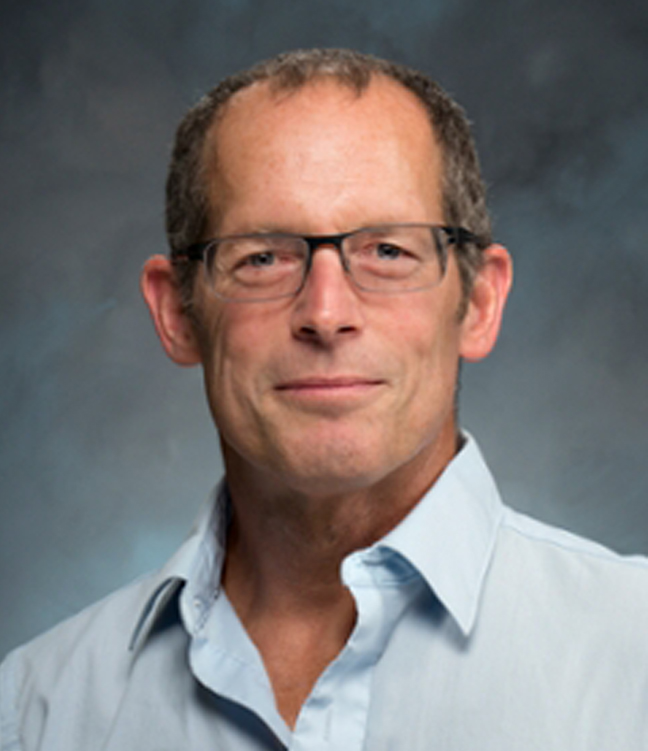
Abstract: A science revolution is underway with the discovery of thousands of planets outside of our solar system, the creation of revolutionary materials, and the potential for harnessing fusion energy. Unlocking these discoveries hinges on our ability to understand and manipulate matter to and beyond atomic pressures, conditions that alter the nature of atoms themselves. At such conditions our intuition for matter begins to breakdown, with hydrogen becoming a metal and perhaps a superconducting super-fluid, water becoming superionic where protons flow through a compact oxygen crystal, and unbound electrons getting squeezed interior to core orbitals of an atom. I will show how laboratory laser experiments are opening this science frontier at light speed, revealing how we might make transparent aluminum-like in Star Trek, a new exploration into the nature and implications of planets-potential platforms for life throughout the universe, and controlled thermonuclear fusion. You might take a look at one of our videos as a primer to our discussion. About the Speaker: Gilbert ‘Rip’ Collins is Tracy Hyde Harris Professor of Mechanical Engineering and Physics and Astronomy, and Associate Director for the Laboratory for Laser Energetics at the University of Rochester. He received his Ph.D. in Physics from Ohio State University. From 1989 to 2016, he held positions at Lawrence Livermore National Laboratory, including Group Leader, Physics Associate Division Leader, Director for the Center for High Energy Density Physics, and Distinguished Member of the Technical Staff. Rip works with a world-class team of scientists exploring the nature and implications of matter at conditions where external forces overwhelm the quantum forces of the atom and the microphysics leading to thermonuclear fusion. He is the Director of the NSF Physics Frontier Center for Matter at Atomic Pressures. He holds visiting Professorships at Oxford University and the University of Edinburgh. He is a recipient of the Bridgman Award, APS Fellow, AAAS Fellow, APS Award for Excellence in Plasma Physics, DOE Weapons Recognition of Excellence Award, NNSA Award for Excellence for Stockpile Stewardship Program, and NNSA Science and Technology Award. |
||
| Wednesday 11 March 2026 3:10 - 4:10 pm Room 1003 EECS | Dr. Patrick Knapp Pacific Fusion | Pulser IFE: A Practical and Affordable Approach to Fusion Energy Flyer (PDF) Video with slides Zoom recording Transcript |
Abstract and biography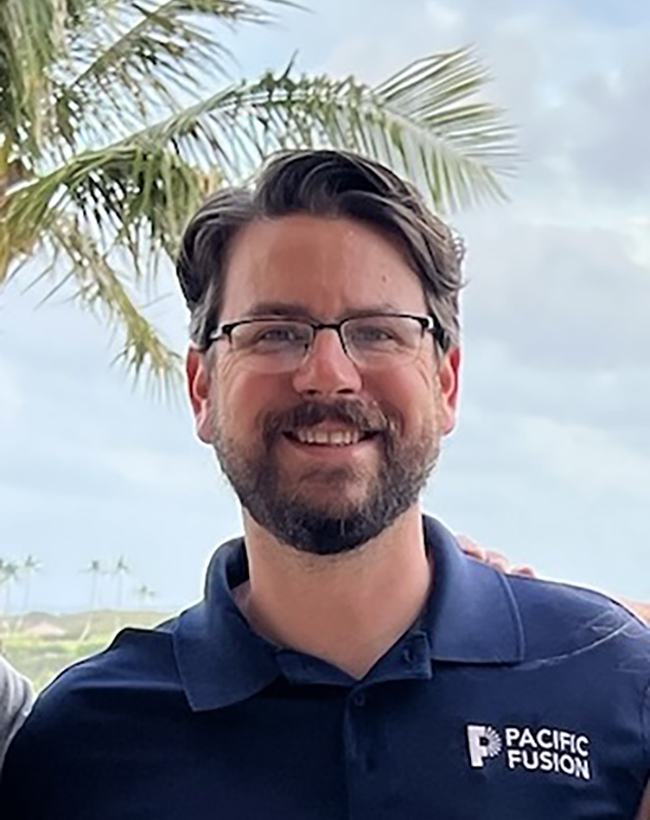
Abstract: The Pacific Fusion Corporation, founded in 2023, is developing the targets and drivers needed to achieve high gain fusion for the first time in the laboratory and to simultaneously resolve significant hurdles to commercialization. We are building a 60-MA pulsed power driver based on the Impedance-matched Marx Generator (IMG) technology, a driver technology with unprecedented efficiency. Magnetically driven targets, coupled to such an efficient generator, provide flexibility in design, low risk scaling, and a mature physics foundation. We will discuss the theoretical foundations that underpin our approach to fusion energy. To support our target design objectives we are developing and using the FLASH code. We have extensively improved and validated FLASH to support our mission. Additionally, to support experiments on our facility we have designed a state of the art diagnostic suite to enable optical, x-ray, and nuclear measurements of burning plasmas in the ~100 MJ regime. Our diagnostics are based on a foundation of statistical inference, allowing us to motivate designs based on their ability to quantitatively constrain key performance metrics. About the Speaker: Dr. Patrick Knapp is an experimental physicist and the experiments lead at the Pacific Fusion Corporation, where he leads the effort to develop experimental platforms and analysis tools in support of achieving facility gain and fusion energy on the grid with pulser fusion. He earned a BS in Electrical and Computer Engineering from Syracuse University in 2004, and the PhD in Electrical Engineering from Cornell University in 2011. Dr. Knapp dedicated eleven years as a staff member at Sandia National Laboratories, where he directed over 100 experiments on the Z machine. During his tenure, he was instrumental in developing multiple novel x-ray instruments, establishing the Magnetized Liner Inertial Fusion (MagLIF) platform, and creating a methodology to measure fuel magnetization utilizing secondary DT neutrons. Furthermore, he devised a novel Bayesian inference method to ascertain key performance metrics from MagLIF experiments. Prior to joining Pacific Fusion in July 2024, Dr. Knapp worked at Los Alamos National Laboratory, where he spearheaded the development of a Pulsed Power ICF program and applied Pulsed Power to critical stockpile stewardship challenges. His responsibilities at Pacific Fusion involve designing experiments aimed at derisking novel target technologies and generating validation data for the FLASH radiation-magnetohydrodynamics code. He also leads the development of post-processing and synthetic data pipelines, which are essential for the informed design and optimization of the diagnostic suite for the forthcoming facility gain Demonstration System. |
||
| Wednesday 18 March 2026 3:10 - 4:10 pm Room 1003 EECS | Dr. Phillip Bonofiglo Princeton Plasma Physics Laboratory | Magnetic Confinement Fusion: The Path to the Spherical Tokamak and NSTX-U Flyer (PDF) Video with slides Zoom recording Transcript |
Abstract and biography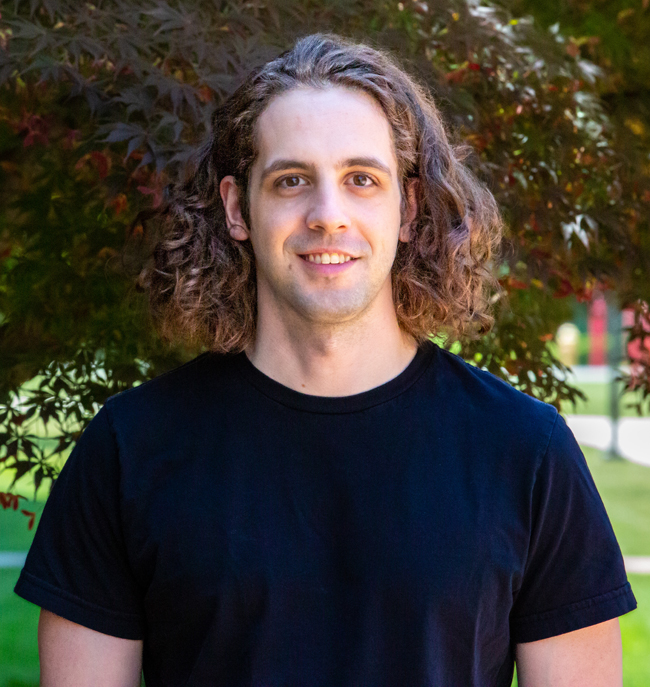
Abstract: Nuclear fusion research has been ongoing since the 1950’s. Following the development of atomic weapons, scientists have been searching for methods to achieve controlled and sustained nuclear fusion for clean and abundant energy production. Magnetic fields quickly became a viable option for confining the high-temperature, high-density plasmas needed. Many magnetic confinement schemes were developed (magnetic mirrors, stellarator, tokamak, spherical tokamak). Each design has had various degrees of success, and each has its own drawbacks. With the invention of the stellarator in 1953, Princeton Plasma Physics Laboratory (PPPL) has been a pioneer in fusion research. Researchers have produced computational and experimental contributions to fusion research, culminating in the 2026 construction and operation of the National Spherical Tokamak Experiment – Upgrade (NSTX-U). This talk will introduce nuclear fusion, discuss why we need a confinement scheme, introduce the basic principles of magnetic confinement fusion (MCF), and provide an overview of the popular confinement schemes. The talk will focus on tokamaks and the potential advantages of the spherical tokamak, examine upcoming experiments on NSTX-U, projected to be the world’s most powerful spherical tokamak, and conclude with open questions in MCF. About the Speaker: Dr. Phillip Bonofiglo is a Staff Research Physicist at the Princeton Plasma Physics Laboratory (PPPL). He received his B.S. in physics from the University of Michigan – Ann Arbor where he was introduced to plasma physics research through high energy density physics experiments. Phil then received his Ph.D. from the University of Wisconsin – Madison where his career in magnetic confinement fusion began. After obtaining his Ph.D., Phil joined PPPL as a postdoc where he specialized in the confinement and transport of energetic particles, often combining numerical simulations and experimental measurements. His research career has since spanned almost every magnetic confinement fusion concept including reversed-field configurations, stellarators, tokamaks, and spherical tokamaks. He participated in the recent DT-campaign on the Joint European Torus (JET), examining DT-alpha confinement, and has upcoming experiments on the Mega Ampere Spherical Tokamak – Upgrade (MAST-U) and National Spherical Tokamak Experiment – Upgrade (NSTX-U) devices. |
||
| Wednesday 8 April 2026 3:10 - 4:10 pm Room 1003 EECS | Dr. Michael Hesse Naval Postgraduate School | Magnetic Reconnection: What do We Know Now, and What Remains Unsolved Flyer (PDF) Video with slides Zoom recording Transcript |
Abstract and biography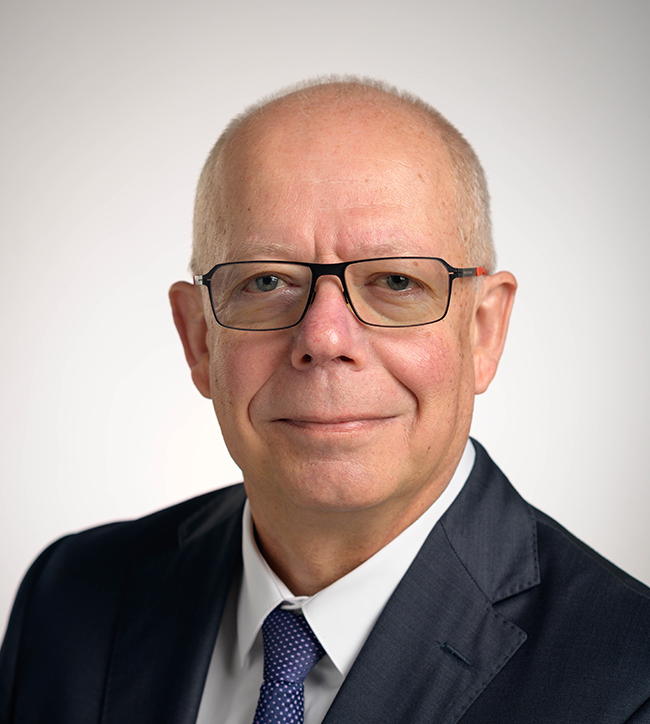
Abstract: Magnetic reconnection (MR) is one of the most important transport and energy-release processes in collisionless plasmas. Although governed by highly localized kinetic physics, MR enables system-scale changes, often involving explosive conversion of stored magnetic energy into particle energy. MR powers such diverse plasma phenomena as solar and stellar flares, geomagnetic storms, and the aurora, and underlies many of the deleterious effects collectively referred to as space weather. Magnetic reconnection therefore constitutes an important and accessible example of a fundamentally multiscale physical process. About the Speaker: Dr. Michael Hesse, who received his PhD from Ruhr-Universität in Bochum, is Vice Provost for Research and Innovation at the Naval Postgraduate School (NPS), where he oversees research priorities that advance the Navy, Marine Corps, and Department of Defense. Prior to NPS, Dr. Hesse was Director of the Science Directorate at NASA’s Ames Research Center, leading a staff of about 500 engaged in Earth science, planetary and astrophysical research, and space biological research. Before joining Ames, Dr. Hesse spent three years at the University of Bergen in Norway where he led the Geomagnetic Expert Service Centre, a multi-national consortium providing space weather services to ESA. Prior to moving to Bergen, Dr. Hesse had a distinguished 25-year career at NASA’s Goddard Space Flight Center (GSFC), culminating in his role as the Director of the Heliophysics Science Division, and founding Director of the Community Coordinated Modeling Center (CCMC). Dr. Hesse has published more than 300 papers (H index of 76). He is Fellow of the American Geophysical Union and member of Academia Europea; and has received several awards including NASA Outstanding Leadership Medal, NASA Distinguished Service Medal, and AGU Space Weather and Nonlinear Waves and Processes Prize. |
||
Fall 2025
| Date, Time, Location | Speaker (Affiliation) | Title, Abstract, Presentation |
|---|---|---|
| Wednesday 10 September 2025 3:10 - 4:10 pm Room 1003 EECS | Prof. David Go University of Notre Dame | Non-Thermal Plasmas for Revolutionizing Goods Production Flyer (PDF) Video with slides Zoom recording Transcript |
Abstract and biography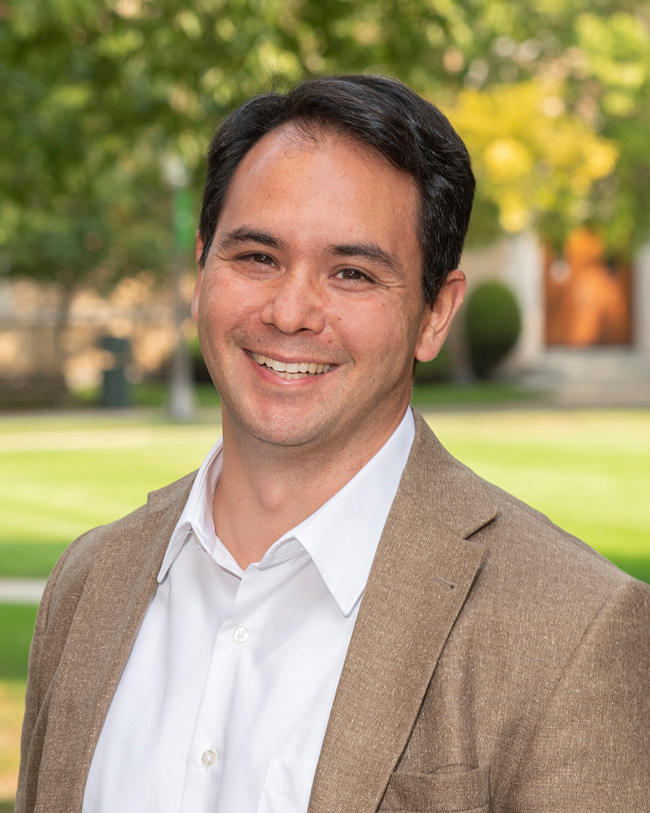
Abstract: It is well-recognized that non-thermal (non-equilibrium) plasmas have played a critical, if unsung, role in every day technologies, and really, our modern way of life. The microchips and processors that make up our phones, computers, and the entire information technology ecosystem all utilized plasma processing at some point in the manufacturing chain. While microfabrication technologies such as etching and sputtering are well developed and commercially deployed, the next evolution of plasma processing will expand the types and kinds of goods beyond electronics to include fertilizers, high-value chemicals, metals, and more, helping create a more energy resilient and security robust manufacturing sector. This talk will overview two areas that are primed for great impact based on processing at a plasma-liquid interface. The first is bulk-phase chemical and metal production using plasma electrolysis, where a plasma in contact with a solution drives useful solution-phase chemistry without the need for catalysts. The second is additive manufacturing, where a plasma in contact with aerosols containing functional inks accelerates and improves the printing process of functional devices. The talk will overview both fundamental work on the plasma-liquid interface and discuss specific application demonstrations that highlight recent advances, stressing the need for continued research and development to move the field toward practical technologies. About the Speaker: David B. Go is the Viola D. Hank Professor of Aerospace and Mechanical Engineering and Vice President & Associate Provost for Academic Strategy at the University of Notre Dame. Prior to his current role, he was the Chair of the Department of Aerospace and Mechanical Engineering. Professor Go has published widely in the areas of plasma science and engineering, heat transfer and fluid dynamics, and chemical analysis and holds ten patents or patent applications, leading to two licensed technologies. Professor Go has been recognized with the Air Force Office of Scientific Research Young Investigator Research Award, the National Science Foundation CAREER award, the Electrochemistry Society Toyota Young Investigator Fellowship, the Electrostatics Society of America Rising Star and Distinguished Service Awards, and the IEEE Nuclear & Plasma Sciences Society Early Achievement Award. He has also been recognized as a Viskanta Fellow and received the Outstanding Mechanical Engineer Award from Purdue University. Professor Go is an ASME Fellow, Senior Member of IEEE, and former President of the Electrostatics Society of America. At U. Notre Dame, he has received the Rev. Edmund P. Joyce, C.S.C. Award for Excellence in Undergraduate Teaching and was a Kaneb Center for Teaching and Learning Faculty Fellow. Prior to joining Notre Dame in 2008, Professor Go received his B.S. in mechanical engineering from the University of Notre Dame, M.S. in aerospace engineering from the University of Cincinnati, and Ph.D. degree in mechanical engineering from Purdue University. |
||
| Wednesday 1 October 2025 3:10 - 4:10 pm Room 1003 EECS | Dr. Jesse Woodroffe Los Alamos National Laboratory | Space Science in an Anthropogenic Environment Flyer (PDF) Video with slides Zoom recording Transcript |
Abstract and biography
Abstract: In 1962, the Starfish Prime high-altitude nuclear test marked the first occasion on which mankind ever created an entirely new region of space — a long-lasting radiation belt that significantly changed the character of geospace for months if not years. On the flip side, long-term persistent VLF transmission has been identified as a likely source of electron losses and may be entirely responsible for the existence of a depleted radiation belt slot region. This highlights the dual nature of humanity’s presence in space — creator and destroyer, influencer and observer. As we become progressively more active in space, particularly through frequent space launches and the mass population of low earth orbit, the character of the natural environment is itself starting to change in response to our activity. The presence and composition of debris in LEO is a high-profile example, but far from the only one. Electromagnetics, chemistry, and plasma physics throughout the domain of human activity are being changed, sometimes in surprising ways. In this talk, I will take a holistic look at the growing impact of human activity on the space environment and potential future implications for both science and society. About the Speaker: Jesse Woodroffe leads the Space Sciences and Applications Group (ISR-1) at Los Alamos National Laboratory (LANL) where he has overseen a portfolio work related to space-based plasma and charged particle sensing since joining LANL in 2023. From 2021-2023, he was a program scientist at NASA Headquarters where he oversaw the research component of the NASA space weather research program. Other prior work includes serving a consultant on the space environment for the Defense Advanced Research Projects Agency (2019-2021), and as a researcher at LANL investigating space weather impacts to the power grid. Jesse received his BA in physics from Augsburg College in 2003 and his PhD in physics from the University of Minnesota in 2010. |
||
| CANCELED Wednesday 22 October 2025 3:10 - 4:10 pm Room 1003 EECS | Dr. Jean Paul Allain U.S. Department of Energy Office of Science | Building Bridges – U.S. Fusion Energy Sciences Vision, Strategy, and Roadmap Flyer (PDF) |
Abstract and biography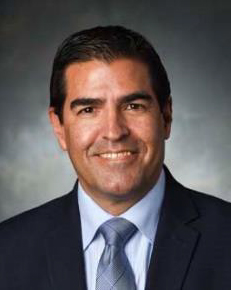
Abstract: The U.S. Department of Energy’s vision, strategy, and ongoing roadmap development effort toward the accelerated development of fusion energy will be discussed. The presentation will cover a range of topics, including the restructured Fusion Energy Sciences in the Office of Science (SC-FES) and its supporting programs, public-private partnerships and new programs bridging science to supporting a fusion power industry in the U.S., and international collaborations. Emphasis will be placed on outlining key challenges and gaps being defined in the Fusion Science & Technology Roadmap under development by SC-FES in areas of materials, internal components, and fusion nuclear sciences. About the Speaker: Dr. Jean Paul Allain is the Associate Director of Science for Fusion Energy Sciences (FES) in the Department of Energy (DOE) Office of Science (SC). With an annual budget of approximately $800M, Dr. Allain leads the FES with multiple areas including enabling and foundational burning plasma science including advanced tokamaks, theoretical and simulations, and long-pulse fusion plasmas. In addition, FES supports research in fusion materials and nuclear science, discovery plasma science and plasma technology, high-energy density plasmas and inertial fusion energy. FES also supports the US participation in ITER and public-private partnerships. Prior to joining FES in July 2023, Dr. Allain was Professor and Head of the Department of Nuclear Engineering at Pennsylvania State University. He was associate head in the Department of Nuclear, Plasma, and Radiological Engineering at the University of Illinois Urbana-Champaign, and associate professor at Purdue University. Dr. Allain led the Radiation Surface Science and Engineering Laboratory (RSSEL) conducting research in plasma-material interactions and authored over 350 peer-reviewed and proceedings papers in experimental and computational modeling work in particle and plasma-surface interactions with high-temperature materials in nuclear fusion, plasma medicine and nanomaterials. Dr Allain was also Faculty Entrepreneurial Fellow at UIUC with over 10 patents in advanced materials, founder of Editekk Inc, Energy Driven Technologies LLC, and a Fulbright fellowship in tech innovation. |
||
| Friday 24 October 2025 11:30 am - 12:30 pm Room 1200 EECS | Prof. Abbas Semnani University of Toledo | Joint RadLab/MIPSE Seminar Electromagnetic-Plasma Interactions: From Fascinating Physics to Real-World Applications |
Abstract and biography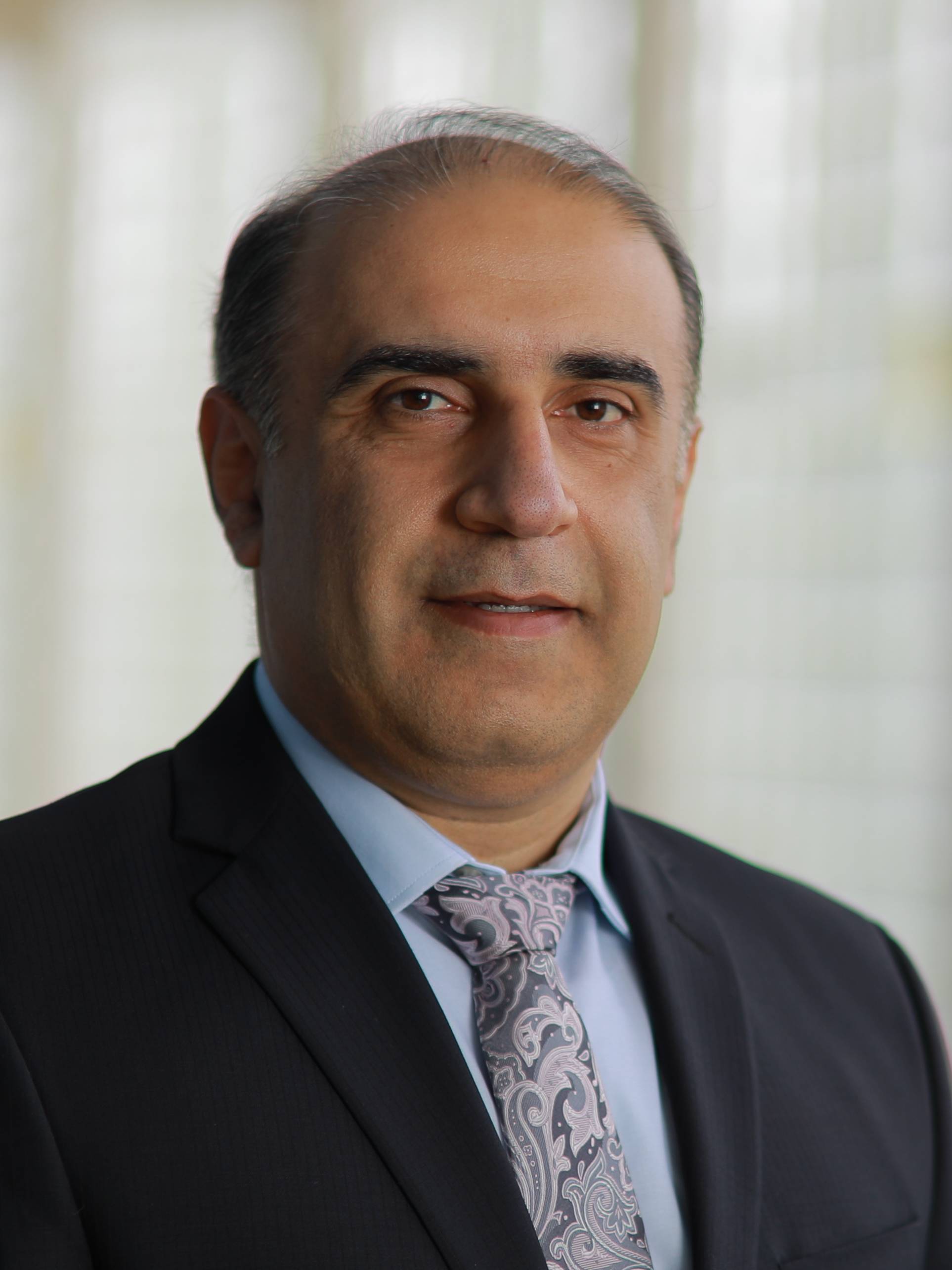
Abstract: Semiconductor devices, MEMS, liquid crystals, and ferrite materials have long been used as high-frequency tuning elements, but they face fundamental limitations in tuning range, power handling, and miniaturization—critical challenges for next-generation RF systems. Cold plasmas offer a disruptive alternative: by precisely controlling internal plasma parameters such as electron density, their dielectric permittivity and conductivity can be unprecedently tuned, enabling novel, reconfigurable electronic and RF devices with extreme reconfigurability. Beyond RF tuning and radiation, cold plasmas have also emerged as an enabling technology in many other fields, including medical treatments, semiconductor fabrication, electric propulsion, particle acceleration, water decontamination, material processing, and PFAS removal. However, generating stable plasmas is not trivial due to the need for energy-hungry sources. Microwave resonators provide a breakthrough solution by efficiently storing and amplifying electromagnetic energy, enabling energy-efficient plasma generation at power levels as low as milliwatts. These plasmas exhibit superior properties, including higher ionization and dissociation rates, enhanced electron density, and greater production of reactive species while maintaining low temperatures. In this talk, I will review our advances in electromagnetic-plasma interactions, with a focus on high-power microwaves and energy-efficient microwave plasma sources, highlighting key applications. About the Speaker: Abbas Semnani is an Associate Professor of Electrical Engineering and the Director of the Adaptive Radiofrequency and Plasma Lab (ARPL) at the University of Toledo. Before joining UToledo in 2019, he spent seven years at Purdue University, where he focused on micro-discharges in high-frequency micro/nanoelectronics. His research interests include high-power microwaves, tunable and compact antennas, reconfigurable RF electronics, and microwave plasma sources for various applications. Dr. Semnani received the 2019 IEEE ‘Tatsuo Itoh’ Award, the NASA Glenn Faculty Fellowship in 2022, and the NSF CAREER Award in 2024. His research has been supported by NSF, DOE, ONR, ARL, NSWC Crane, Lockheed Martin, and Collins Aerospace. |
||
| Wednesday 5 November 2025 3:10 - 4:10 pm Room 1003 EECS | Dr. Ioannis (Yiangos) Mikellides NASA Jet Propulsion Laboratory | Plasma Physics Modeling and Simulations of Electric Propulsion Over the Last Two Decades at the Jet Propulsion Laboratory Flyer (PDF) Video with slides Zoom recording Transcript |
Abstract and biography
Abstract: The first ion engines were launched into orbit in the 1960s but it was not until the 1990s that their commercial use began in the U.S., followed by the first NASA flight on Deep Space 1 in 1998. Hall thrusters (HTs) followed a similarly long trajectory from the lab to deep-space flight. Since the 1970s thousands of HTs have flown in near-Earth orbit, yet it was not until NASA’s Psyche mission in 2023 that HTs were used as primary propulsion beyond lunar orbit. Two challenges contributed to this protracted path. First, HTs are low-thrust, high-exhaust-speed devices that achieve large ΔVs but must operate for years in space. Flight qualification in vacuum facilities can be prohibitively costly and time-consuming. Challenges in qualifying a technology by test alone are not unique to electric propulsion (EP). Certification of the U.S. nuclear weapons stockpile now relies on physics-based modeling and simulations (M&S) requiring large investments. The second challenge is that investment in M&S for EP has been limited. Their inherently complex physics prohibited the advancement of first-principles M&S tools to a level that could make major impact on development. Instead, technology advancement depended largely on empirical scaling and laboratory testing. A focused effort on physics-based M&S began in the 2000’s in the EP Group of the Jet Propulsion Laboratory (JPL). In this presentation I will highlight achievements made at JPL in the M&S of plasmas in EP, and discuss their impact on development, maturation and flight qualification of EP for NASA deep-space missions. About the Speaker: Dr. Ioannis (Yiangos) G. Mikellides is a Senior Research Scientist and Principal Engineer at NASA’s Jet Propulsion Laboratory. He received his Ph.D. in Aeronautical and Astronautical Engineering from The Ohio State University. In over three decades his theoretical investigations of applied plasma physics, supported by extensive numerical simulation, have spanned applications as diverse as high-pressure discharge chambers and hypersonic nozzles, ablative thrusters, magnetic nozzles in fusion propulsion, MHD shocks, rarefied EP plumes and astrophysical plasmas. He has developed OrCa2D and Hall2De, two novel scientific plasma codes that have been supporting the qualification of hollow cathodes and HTs for NASA’s EP missions since he joined JPL in 2003. Hall2De has also been licensed to various institutions of government, academia and the private sector nationwide. His theoretical work has led to notable advances in our understanding of EP plasmas such as the prediction of ion acoustic turbulence in cathode discharges and the development of the first principles of magnetic shielding in HTs. He has published more than 60 refereed articles in aerospace engineering, applied physics, planetary/space sciences and astrophysics journals, and co-authored the 2023 book “Fundamentals of Electric Propulsion”. He is a Fellow of the AIAA and the recipient of multiple recognitions including the NASA Exceptional Engineering Achievement Medal and the JPL Lew Allen and Edward Stone Awards. |
||
| Wednesday 3 December 2025 1:30 - 2:30 pm Room 3213 LEC (Johnson Rooms) | Prof. David Ruzic University of Illinois, Urbana-Champaign | UM Plasma Prize 2024 What do Fusion Technology, Physical Vapor Deposition and EUV Lithography Have in Common? Flyer (PDF) Video with slides Zoom recording Transcript |
Abstract and biography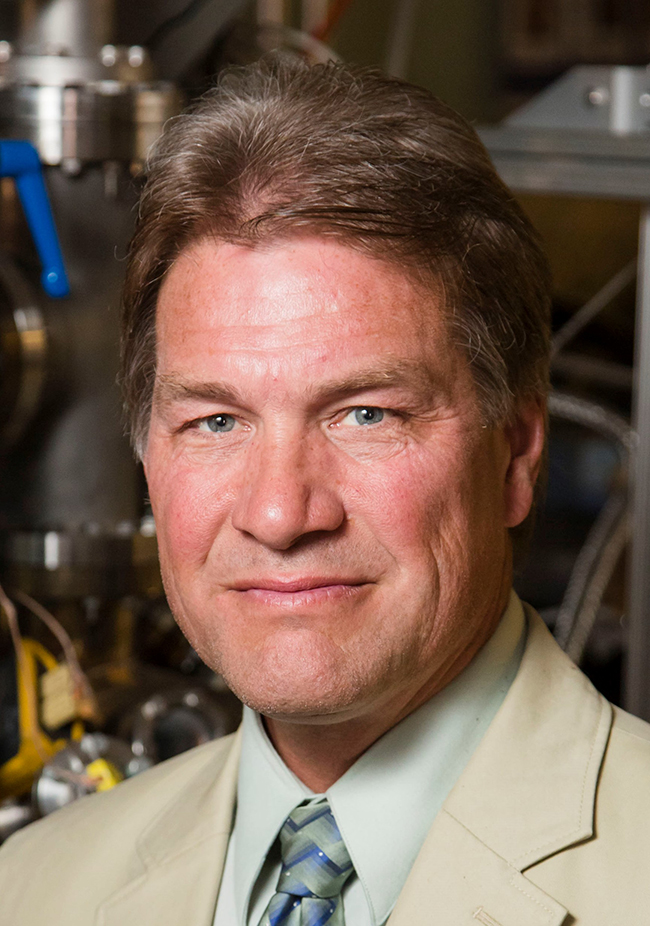
Abstract: So what do fusion technology, physical vapor deposition and EUV lithography have in common? The answer is, “plasma-material interactions” (PMI) and in particular, sputtering. The key to a fusion energy device delivering energy is getting out the heat without destroying the walls. Afterall you are putting the sun in a metal can and should expect a similar heat flux! How that plasma interacts with the surfaces is paramount. We developed a way to use flowing molten lithium as the plasma facing component. To create thin films for microelectronics, magnetron sputtering is the most common form of physical vapor deposition. We developed a new system for magnetron sputtering which reverses the potential on the target allowing detailed control of the ion energy reaching the material to be coated. Finally, in EUV lithography the primary factor limiting the power is “tin management”. To make 13.5 nm EUV light, 30-μm-diameter molten Sn droplets are hit by a laser at up to 80,000 times per second. The Sn vaporizes and becomes a dense warm plasma which emits EUV light. The tin ends up everywhere including on the Bragg-reflector mirrors. Removing the tin without damaging the mirrors is a delicate balance of PMI. We developed surface-wave-plasma sources which produce hydrogen radicals and a locally higher ion density which turns the Sn to SnH4 which is pumped away. This talk will hit the highlights in each of these areas and show how they are all being used in industry. About the Speaker: David Neil Ruzic is an Emeritus Professor in the Department of Nuclear, Plasma and Radiological Engineering at the University of Illinois at Urbana-Champaign. He is a Fellow in four societies and has been awarded the Gaede-Langmuir award from AVS (2020) and the Fusion Technology Prize from IEEE (2020), the University of Michigan Plasma Prize (2024) and the International Award in Technology from IVSTA (2025). Even though “retired” his current group consists of 1 postdoc, 16 graduate and 25 undergraduate research assistants. He founded and is the Director of the Center for Plasma-Material Interactions and the Illinois Plasma Institute. His research covers the fusion technology, plasma deposition, plasma etching, EUV lithography and atmospheric-pressure plasma processing. |
||
Summer 2025
| Date, Time, Location | Speaker (Affiliation) | Title, Abstract, Presentation |
|---|---|---|
| Monday 11 August 2025 1:30 - 2:30 pm Room 1003 EECS | Dr. Michael McDonald U.S. Naval Research Laboratory (NRL) | Intro to DARPA 101 + Challenges in Plasma and Machine Learning Flyer (PDF) |
Abstract and biography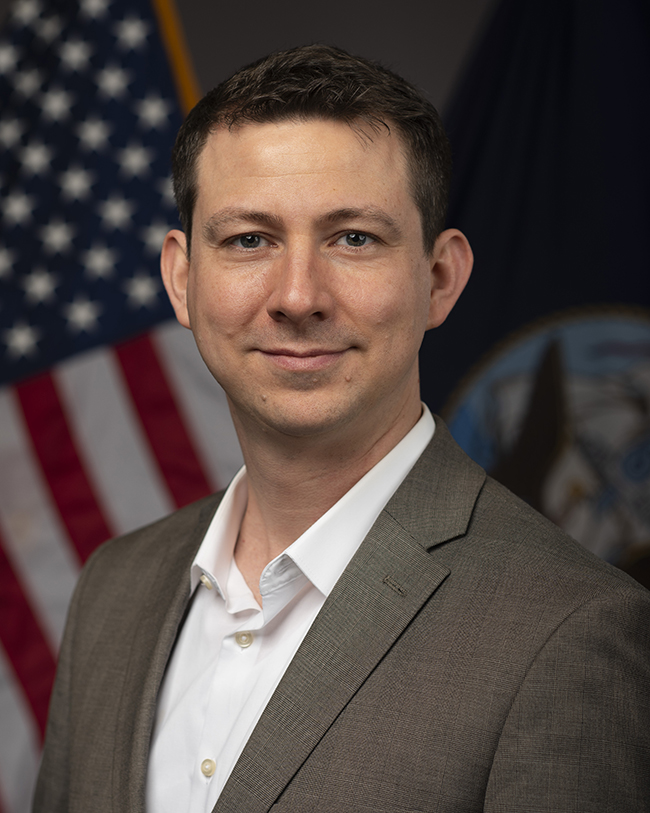
Abstract: This talk begins with understanding DARPA (Defense Advanced Research Projects Agency) as a sponsor, to help you work with the agency better. DARPA appears a monolith but internally has several offices each with a unique focus. Each office is staffed by an ever-shifting blend of Program Managers (PMs) with unique priorities. Offices and PMs are united only by a mission to cultivate radically “new things under the sun” to generate scientific surprise. We will explain features of the offices, the program managers, and what a good pitch to a DARPA PM looks like. The second half of this talk will pose example “DARPA-hard” questions in plasma science, engineering, and related aspects of machine learning (ML). Why don’t plasma physicists have a tool to tell us the plasma state at a glance, like DeepMind’s AlphaFold for protein folding in biology? Why is it so devilishly hard to get an accurate, repeatable measure of plasma density, even in simple plasma? When it comes to complex plasma chemistry, will we need to rely on AI/ML solutions? The central miracle of our age is that humans have developed machines to learn skills we cannot explicitly teach. How do we learn to learn from them? Are there ways to use ML applied to scientifically interesting problems to tease out a better understanding of physical laws? This talk will motivate these questions, but DARPA has no labs of its own, so bring your own solutions! About the Speaker: Dr. Michael McDonald is an Aerospace Engineer in the Spacecraft Propulsion Section at the U.S. Naval Research Laboratory (NRL) in Washington DC, and will join DARPA as a Program Manager in the Defense Science Office in Fall 2025. He received his PhD from the University of Michigan in Applied Physics in 2011, and joined NRL in 2012. At NRL he founded and leads the Space Technology and Applications Research Lab (STARLab) specializing in the creation and characterization of energetic flows for a variety of national security space sponsors, including DARPA, USAF and USSF. The centerpiece of STARLab is the Large Plasma Test Facility (LPTF), a world-class vacuum chamber used for spacecraft propulsion and very low Earth orbit environmental simulation research. Dr. McDonald’s research interests include hollow cathodes; electron emission physics; spacecraft plasma propulsion including Hall and MPD thrusters; and high-speed plasma diagnostic development. At DARPA he has many dreams including air-breathing cathodes for vLEO, rapid qualification methods for >100kW propulsion systems, standard candles for NIST-traceable plasma density diagnostics; AI self-learning methods for plasma state measurement and collisional-radiative model development, a la Google’s AlphaFold; and development of scalable AI mechanistic interpretability techniques to untangle what neural networks learn in human-understandable terms. |
||
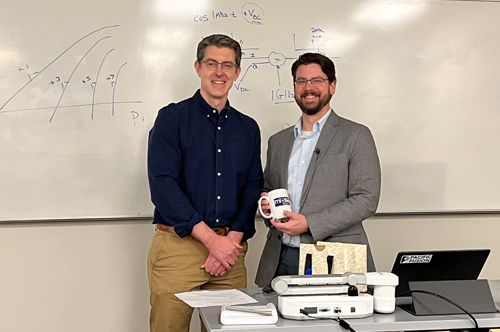
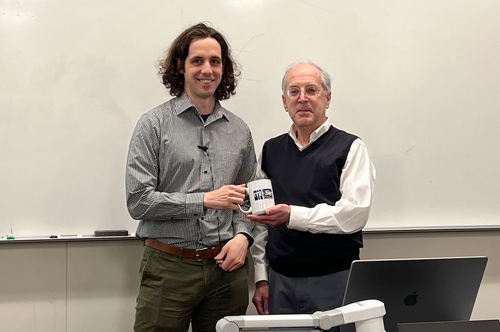
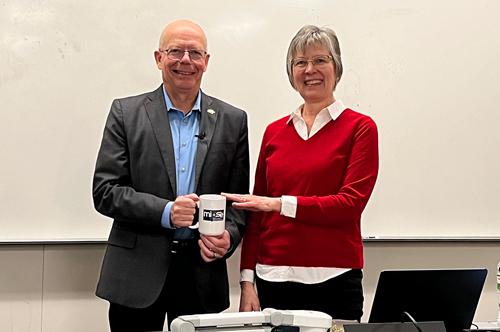
Photo Gallery
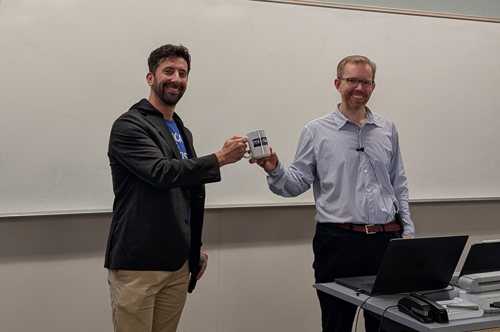
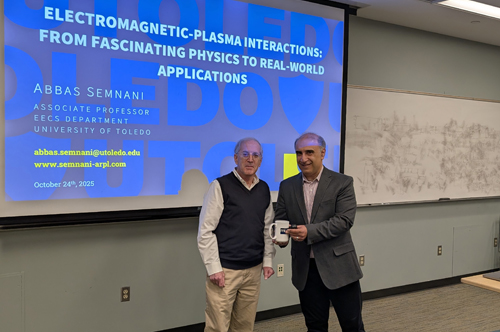
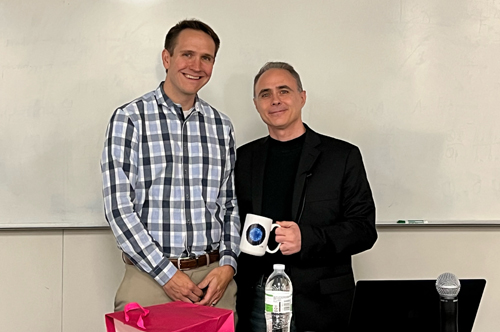
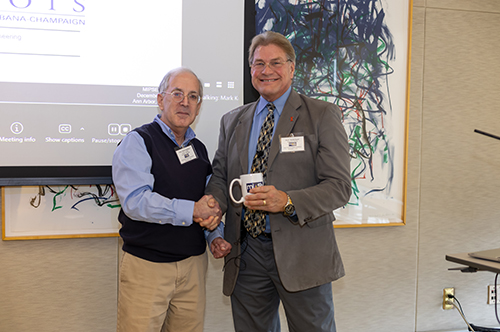
Disclaimer
Video recordings of MIPSE seminars are posted on this website with permission of the speaker. The audio transcript is computer-generated and may not accurately replicate the speaker’s words. The University of Michigan and the speakers do not take any responsibility for errors in the transcript. Quoting from the transcript is prohibited.
The views and opinions expressed by the seminar speakers do not necessarily represent those of MIPSE and the University of Michigan.